Conditions We Treat
Raynaud's Phenomenon Evaluation and Treatment in Manassas, VA
Raynaud’s phenomenon evaluation in Manassas, VA helps determine whether color changes in your fingers or toes are a harmless response to cold or a sign of an underlying autoimmune condition. Our rheumatologists check for related diseases and recommend steps to reduce attacks and protect circulation.
- Board-certified rheumatologists
- Most insurance plans accepted
- Mon to Fri, 8am to 5pm
Checks for related autoimmune disease
Practical prevention plans
What Is Raynaud's Phenomenon?
Raynaud’s phenomenon is a condition in which small blood vessels in the fingers and toes narrow too much in response to cold or stress. Blood flow drops for a short time, causing color changes and numbness. Primary Raynaud’s occurs on its own and is usually mild. Secondary Raynaud’s is linked to another condition, often an autoimmune disease such as lupus or scleroderma, and can be more severe.
Common Symptoms
- Fingers or toes turning white, then blue, then red as blood flow returns
- Cold, numb, or tingling fingers during an attack
- Throbbing or burning as the area rewarms
- Attacks triggered by cold temperatures, air conditioning, or stress
- In severe secondary Raynaud’s, sores on the fingertips
Causes and Risk Factors
Primary Raynaud’s is more common in women and often begins between ages 15 and 30. Secondary Raynaud’s is associated with connective tissue disorders, certain medications, smoking, repetitive vibration from tools, and blood vessel disease.
How We Evaluate Raynaud's
Your clinician reviews your symptoms and examines your hands and nails. Blood tests such as ANA and other antibodies can help identify an underlying autoimmune condition. Signs that suggest secondary Raynaud’s include starting later in life, severe attacks, finger sores, or other symptoms such as joint pain, rashes, or skin tightening.
Treatment Options
- Keeping your whole body warm, not just your hands, and wearing gloves and layers
- Avoiding smoking and limiting caffeine and medications that narrow blood vessels when possible
- Stress management
- Medications that relax and widen blood vessels for frequent or severe attacks
- Treatment of any underlying autoimmune condition
When to Seek Care
Schedule a visit if color changes are new, severe, affect only one side, or come with joint pain, rash, or skin tightening. Seek prompt care for fingertip sores or a finger that stays white or blue.
Next steps
Get evaluated in Manassas
Call (703) 361-3255 or request an appointment online. Our Manassas office is open Monday to Friday, 8am to 5pm.
Related pages
How We Help
Services Used to Evaluate and Treat Raynaud's Phenomenon
These in-office services may be part of your evaluation or treatment plan.
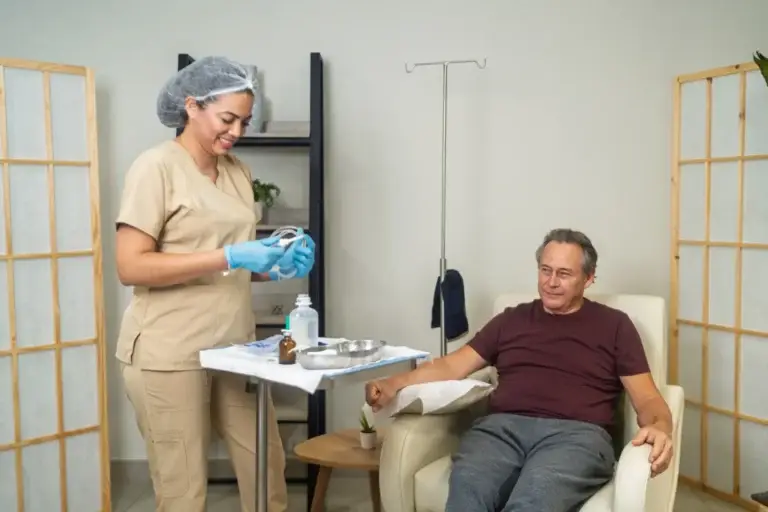
IV medications for rheumatoid arthritis, lupus, psoriatic arthritis, osteoporosis, and more.
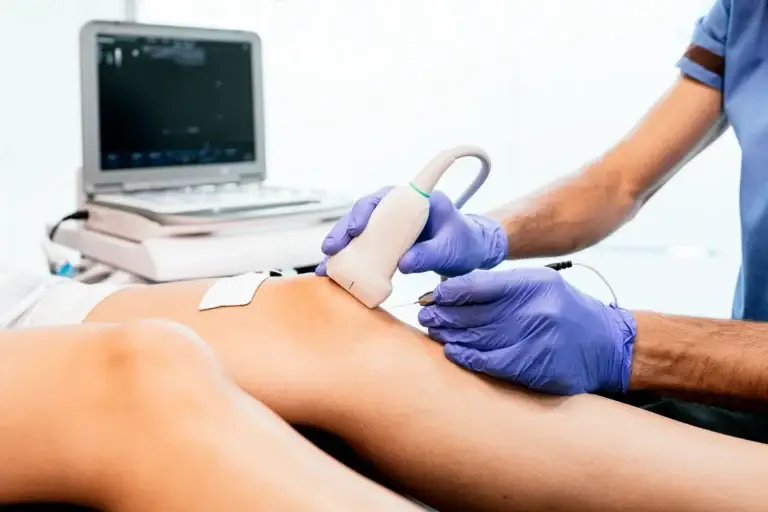
Radiation-free, real-time imaging of joints, tendons, and soft tissue to look for inflammation.
Your Care Team
Rheumatology Clinicians Who Treat Raynaud's Phenomenon
Our board-certified rheumatologists and nurse practitioners care for patients with raynaud’s phenomenon at our Manassas office.




Nurse practitioner
Certified Registered Nurse Practitioner
FAQs
Raynaud's Phenomenon Questions
Answers to common questions from patients in Manassas and across Northern Virginia.
Is Raynaud's dangerous?
Primary Raynaud’s is usually not dangerous. Secondary Raynaud’s can be more serious and needs evaluation for an underlying condition.
Does Raynaud's mean I have lupus?
Not necessarily. Many people have primary Raynaud’s without another disease. Testing helps sort this out.
What should I do during an attack?
Move to a warm place, run your hands or feet under warm (not hot) water, and gently move your fingers and toes to restore circulation.
Can Raynaud's be cured?
There is no cure, but most people control attacks well with warmth, lifestyle changes, and medication when needed.
Related Conditions
Related Conditions We Treat
Many rheumatic conditions share symptoms or occur together. Learn about related conditions.
Connective Tissue Disorders
Autoimmune conditions of joints, skin, and organs
Lupus
Systemic autoimmune disease
Rheumatoid Arthritis
Inflammatory joint pain, swelling, and stiffness
Peripheral Neuropathy
Nerve-related numbness and weakness
Request an Appointment
Schedule a Visit for Raynaud's Phenomenon
Request an appointment online or call (703) 361-3255 to be evaluated at our Manassas office.