Rheumatology Services
Bone Density Testing in Manassas, VA
Bone density testing in Manassas, VA helps you understand how strong your bones are before a fracture happens. Our office performs DEXA scans as part of osteoporosis care, so your results can be reviewed by a rheumatologist who knows how bone health connects to arthritis, autoimmune disease, and the medications used to treat them.
- Board-certified rheumatologists
- Most insurance plans accepted
- Mon to Fri, 8am to 5pm
DEXA scans in our office
Quick, painless, low radiation
What Is Bone Density Testing?
Bone density testing measures bone mineral density (BMD), which reflects how much calcium and other minerals are packed into your bones. The most common method is a DEXA scan (dual energy X-ray absorptiometry). It usually looks at the hip and lower spine, the areas where fractures cause the most problems.
Your results are reported as scores:
- T-score: compares your bone density to a healthy young adult. It is used to classify bone density as normal, low (osteopenia), or in the osteoporosis range.
- Z-score: compares your bone density to people of your own age and sex. It can help show when bone loss may have another cause.
Who Should Consider a Bone Density Test?
Bone loss is often silent until a bone breaks. Screening for osteoporosis is commonly recommended for women age 65 and older, and for younger postmenopausal women with higher fracture risk. You may also be a candidate if you:
- Have broken a bone from a minor fall
- Have a family history of osteoporosis or hip fracture
- Take long-term steroid (glucocorticoid) medication
- Have rheumatoid arthritis, lupus, or another autoimmune condition
- Have low body weight, smoke, or drink alcohol often
- Have a condition or take a medication that affects calcium or hormone levels
For patients already under rheumatology care, regular bone health monitoring is especially useful because some conditions and treatments can weaken bone over time.
What to Expect During Your DEXA Scan
A DEXA scan is simple and requires no recovery time. You lie on a padded table while a scanner arm passes over your hip and spine. The test is:
- Noninvasive, with no needles or injections
- Painless, similar to lying still for an X-ray
- Low in radiation, far less than a standard CT scan
- Usually finished within a short visit
Wear comfortable clothing without metal zippers or buttons. Our team will let you know if you should pause calcium supplements before the scan.
Understanding Your Results
Results generally fall into three groups: normal bone density, osteopenia (lower than normal), or osteoporosis (higher fracture risk). Your clinician also considers your age, medical history, medications, and prior fractures to estimate your overall fracture risk.
If your bones are weaker than expected, we will talk through next steps, which may include calcium and vitamin D, exercise and fall prevention, medication, and follow-up scans. Learn more about osteoporosis and osteopenia care at our practice.
Why Choose Our Manassas Office for Bone Density Testing
Because our practice focuses on rheumatology and osteoporosis care, your scan is part of a bigger picture. Your rheumatologist can connect your results to your joint health, autoimmune conditions, and medications, then coordinate treatment such as osteoporosis infusions when appropriate. We see patients from Manassas, Gainesville, Bristow, Haymarket, Centreville, Woodbridge, and across Prince William County.
Next steps
Schedule your visit
Call (703) 361-3255 or request an appointment online. Our Manassas office is open Monday to Friday, 8am to 5pm.
Related pages
Related Conditions
Conditions This Service Supports
Learn more about the conditions this service is commonly used to evaluate or treat at our Manassas office.
Osteoporosis & Osteopenia
Low bone density and fracture risk
Rheumatoid Arthritis
Inflammatory joint pain, swelling, and stiffness
Lupus
Systemic autoimmune disease
Ankylosing Spondylitis
Inflammatory back and spine pain
Connective Tissue Disorders
Autoimmune conditions of joints, skin, and organs
Psoriatic Arthritis
Joint inflammation linked to psoriasis
Your Care Team
Clinicians Who Review Bone Density Results
Our board-certified rheumatologists and nurse practitioners work together on your care. Meet the clinicians at our Manassas office.

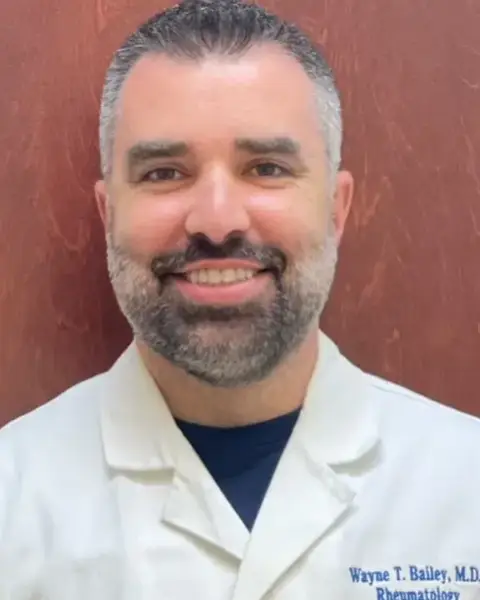



Nurse practitioner
Certified Registered Nurse Practitioner
FAQs
Bone Density Testing Questions
Answers to common questions from patients in Manassas and nearby Northern Virginia communities.
Does a DEXA scan hurt?
No. You lie still on a padded table while the scanner passes over you. There are no needles, and most patients find it comfortable.
How often should I have a bone density test?
It depends on your previous results, your risk factors, and any treatment you are taking. Many patients are rescanned every one to two years, but your clinician will recommend the right interval for you.
What is the difference between osteopenia and osteoporosis?
Osteopenia means bone density is lower than normal but not yet in the osteoporosis range. Osteoporosis means bones are weaker and more likely to break. Read more about osteoporosis and osteopenia.
Is bone density testing covered by insurance?
Medicare and many commercial plans cover screening when guidelines are met. Coverage varies, so check with your plan or see the insurance plans we participate with.
Related Services
Other Services at Our Manassas Office
Many patients use more than one of our in-office services as part of a complete care plan.
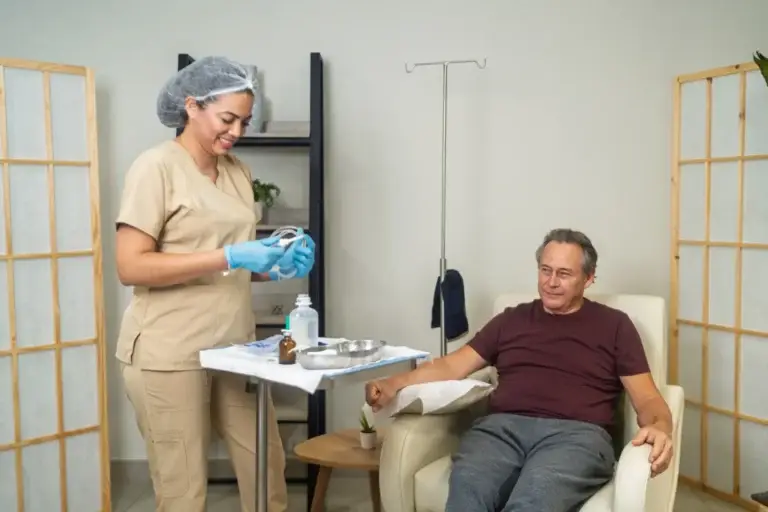
IV medications for rheumatoid arthritis, lupus, psoriatic arthritis, osteoporosis, and more.
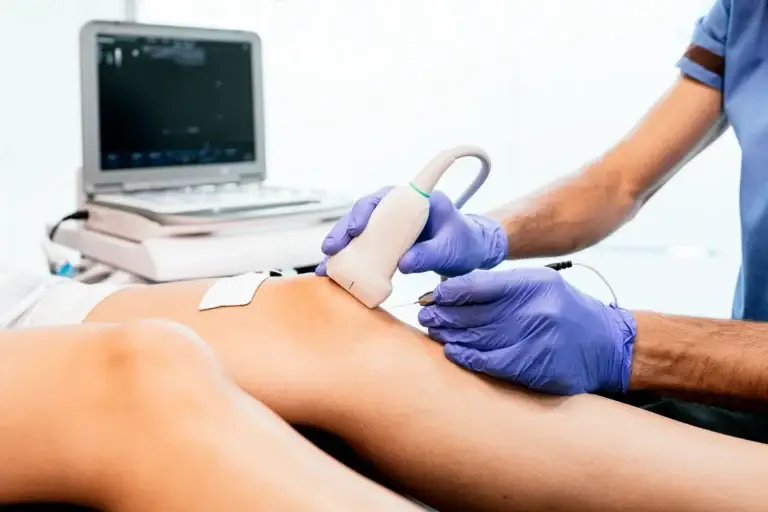
Radiation-free, real-time imaging of joints, tendons, and soft tissue to look for inflammation.
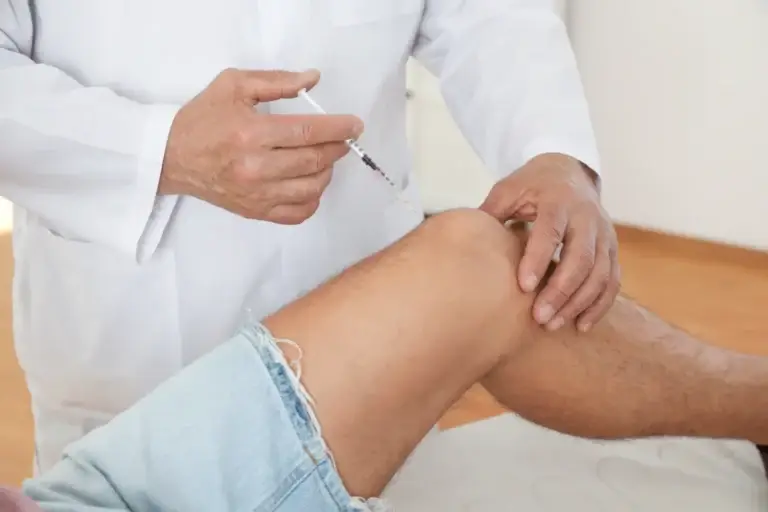
Corticosteroid, hyaluronic acid, and PRP joint injections as one part of a broader treatment plan.
Request an Appointment
Ready to Check Your Bone Health?
Request a bone density test or osteoporosis visit online, or call us at (703) 361-3255.