
Conditions We Treat
Gout & Pseudogout Treatment in Manassas, VA
Gout and pseudogout treatment in Manassas, VA begins with confirming which crystals are causing your joint attacks. Our rheumatologists use joint aspiration, ultrasound, and lab work to diagnose crystal arthritis, calm flares quickly, and build a long-term plan to prevent future attacks.
- Board-certified rheumatologists
- Most insurance plans accepted
- Mon to Fri, 8am to 5pm
Fast flare care
Joint fluid testing in office
What Are Gout and Pseudogout?
Gout is a form of inflammatory arthritis caused by high levels of uric acid in the blood, which can form sharp crystals in a joint. Pseudogout, also called calcium pyrophosphate deposition (CPPD) disease, is caused by a different type of crystal. Both can trigger sudden, intense joint attacks.
Common Symptoms
- Sudden, severe pain in one joint, often at night
- Redness, warmth, and swelling
- Extreme tenderness, even to light touch
- Gout often starts in the big toe, but can affect the ankle, knee, wrist, or elbow
- Pseudogout most often affects the knee or wrist
- Hard deposits under the skin (tophi) in long-standing gout
Causes and Risk Factors
Gout risk rises with high uric acid levels, family history, male sex, obesity, kidney disease, high blood pressure, certain medications such as diuretics, and a diet high in alcohol, red meat, organ meats, shellfish, and sugary drinks. Pseudogout is more common with age and may be linked to joint injury or certain metabolic conditions.
How We Diagnose Crystal Arthritis
The most reliable way to confirm gout or pseudogout is to examine joint fluid for crystals. Our clinicians perform joint aspiration in the office. We may also use blood tests, X-rays, and musculoskeletal ultrasound, which can show crystal deposits in and around joints.
Treatment Options
- For flares: anti-inflammatory medications, colchicine, steroids, or a joint injection
- For long-term gout control: urate-lowering medications that bring uric acid to a target level and prevent new crystals
- For some patients: infused therapy for gout that has not responded to other treatments, given through our infusion center
- Diet, hydration, and medication reviews
When to Seek Care
See a clinician promptly for a hot, swollen, painful joint. If you also have fever or feel very unwell, seek care right away, because a joint infection can look like gout. If this is a medical emergency, call 911.
Next steps
Get evaluated in Manassas
Call (703) 361-3255 or request an appointment online. Our Manassas office is open Monday to Friday, 8am to 5pm.
Related pages
How We Help
Services Used to Evaluate and Treat Gout
These in-office services may be part of your evaluation or treatment plan.
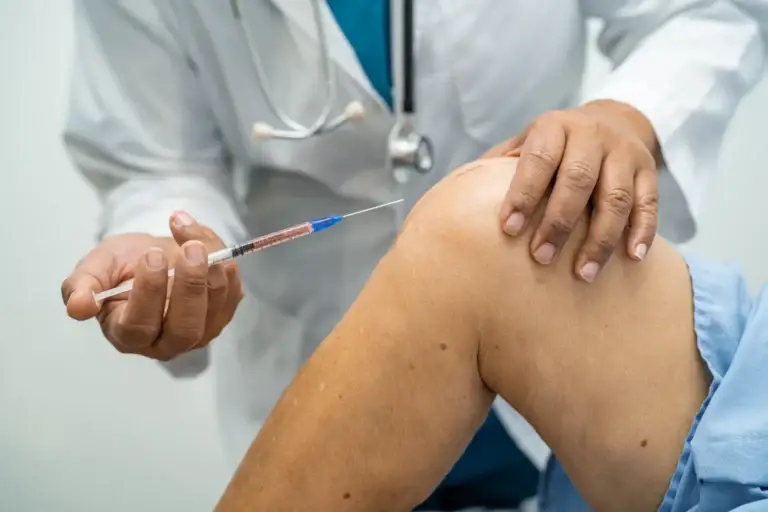
Removing and testing fluid from a swollen joint to help find the cause, such as gout or infection.
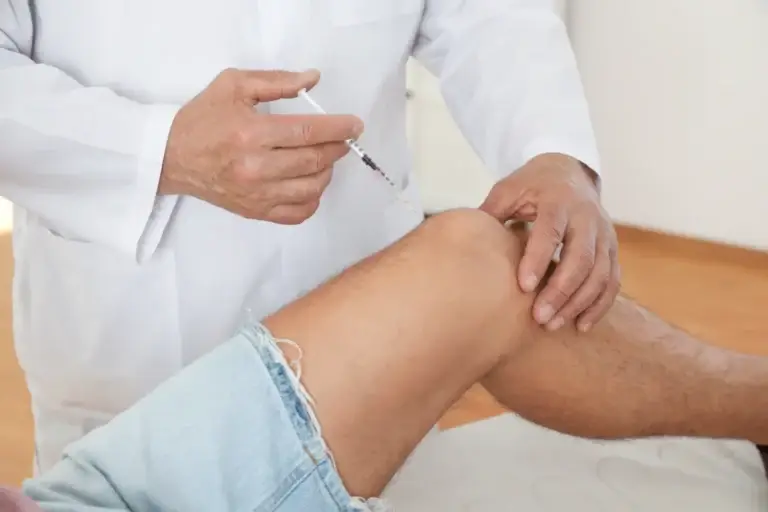
Corticosteroid, hyaluronic acid, and PRP joint injections as one part of a broader treatment plan.
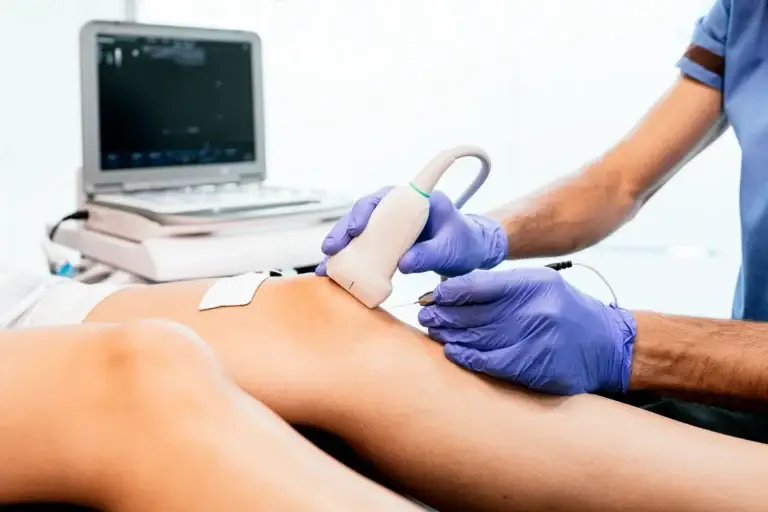
Radiation-free, real-time imaging of joints, tendons, and soft tissue to look for inflammation.
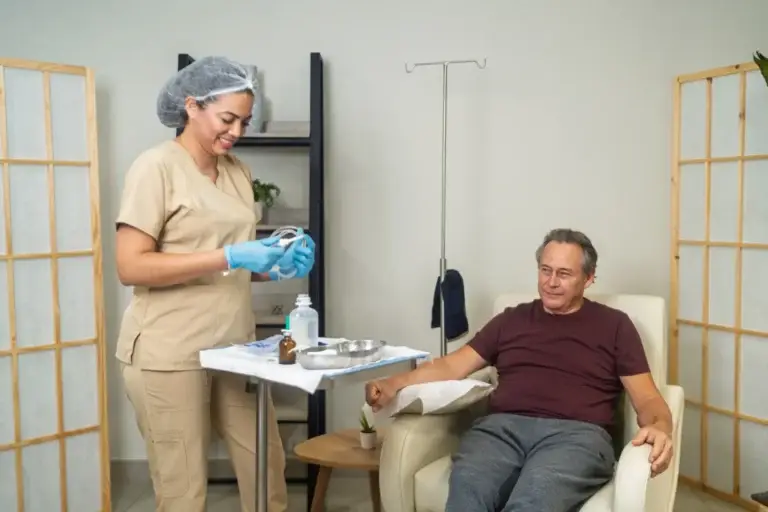
IV medications for rheumatoid arthritis, lupus, psoriatic arthritis, osteoporosis, and more.
Your Care Team
Rheumatology Clinicians Who Treat Gout
Our board-certified rheumatologists and nurse practitioners care for patients with gout at our Manassas office.

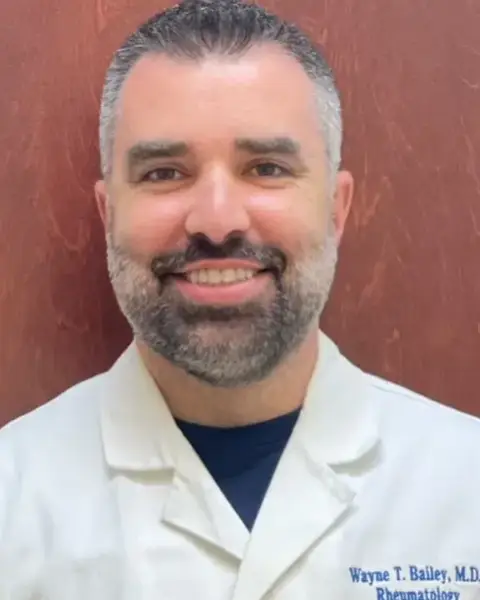



Nurse practitioner
Certified Registered Nurse Practitioner
FAQs
Gout Questions
Answers to common questions from patients in Manassas and across Northern Virginia.
Can gout be cured?
Gout can be controlled very effectively. Keeping uric acid at target with medication can dissolve crystals over time and stop attacks for many patients.
Do I have to stop eating meat?
Diet changes can help, but medication is usually the main treatment. Your clinician will suggest practical changes such as limiting alcohol, sugary drinks, and organ meats.
How is pseudogout different from gout?
Pseudogout is caused by calcium pyrophosphate crystals instead of uric acid crystals. Joint fluid testing through aspiration tells them apart.
Why did my gout flare when I started medication?
Lowering uric acid can trigger flares at first. Your clinician may prescribe a preventive medication during the first months of treatment.
Related Conditions
Related Conditions We Treat
Many rheumatic conditions share symptoms or occur together. Learn about related conditions.
Osteoarthritis
Joint pain and stiffness from cartilage wear
Rheumatoid Arthritis
Inflammatory joint pain, swelling, and stiffness
Psoriatic Arthritis
Joint inflammation linked to psoriasis
Bursitis & Tendinitis
Soft tissue pain and inflammation
Request an Appointment
Schedule a Visit for Gout
Request an appointment online or call (703) 361-3255 to be evaluated at our Manassas office.