
Rheumatology Services
EMG (Electromyography) Testing in Manassas, VA
EMG testing in Manassas, VA helps find the source of numbness, tingling, weakness, and nerve pain. Our office performs electromyography and nerve conduction studies to show whether symptoms come from a nerve, a muscle, or both, so treatment can be focused.
- Board-certified rheumatologists
- Most insurance plans accepted
- Mon to Fri, 8am to 5pm
Nerve and muscle testing
Performed in our office
What Is EMG?
Electromyography (EMG) measures the electrical activity of muscles and how well nerves send signals to them. It is usually done together with a nerve conduction study (NCS), which measures how fast and how strongly signals travel along a nerve. Together, the two tests give a detailed picture of nerve and muscle health.
Why Your Clinician May Recommend EMG
- Numbness or tingling in the hands, arms, feet, or legs
- Muscle weakness or cramping
- Pain that seems to travel along a nerve
- Suspected nerve compression such as carpal tunnel syndrome
- Possible peripheral neuropathy
- Pinched nerves in the neck or lower back (radiculopathy)
- Suspected muscle inflammation or other muscle disorders
What Happens During an EMG Test
For the nerve conduction portion, small sticky sensors are placed on your skin and brief, mild electrical pulses are used to stimulate the nerve. You will feel a quick tapping or tingling sensation. For the EMG portion, a very thin needle electrode is placed in selected muscles to record activity while you rest and gently tighten the muscle. Most patients describe it as mildly uncomfortable but manageable.
Before your test, avoid lotions on your arms and legs, and let us know if you take blood thinners or have a pacemaker.
What EMG Results Can Show
EMG and nerve conduction results can help confirm or rule out nerve compression, neuropathy, nerve root irritation, and muscle disorders. They can also show how severe a nerve problem is, which helps guide choices such as splinting, medication, injections, or referral for surgery.
Safety and Aftercare
EMG is widely used and considered safe. You may notice mild soreness or small bruises where the needle was placed, and these usually fade within a day or two. You can return to normal activities right after the test.
Next steps
Schedule your visit
Call (703) 361-3255 or request an appointment online. Our Manassas office is open Monday to Friday, 8am to 5pm.
Related pages
Related Conditions
Conditions This Service Supports
Learn more about the conditions this service is commonly used to evaluate or treat at our Manassas office.
Carpal Tunnel Syndrome
Hand numbness, tingling, and weakness
Peripheral Neuropathy
Nerve-related numbness and weakness
Rheumatoid Arthritis
Inflammatory joint pain, swelling, and stiffness
Connective Tissue Disorders
Autoimmune conditions of joints, skin, and organs
Lupus
Systemic autoimmune disease
Bursitis & Tendinitis
Soft tissue pain and inflammation
Your Care Team
Clinicians Who Provide This Service
Our board-certified rheumatologists and nurse practitioners work together on your care. Meet the clinicians at our Manassas office.





Nurse practitioner
Certified Registered Nurse Practitioner
FAQs
EMG Testing Questions
Answers to common questions from patients in Manassas and nearby Northern Virginia communities.
How long does an EMG test take?
Many EMG and nerve conduction studies take about 30 to 60 minutes, depending on how many nerves and muscles are tested.
Does EMG hurt?
The electrical pulses feel like a quick snap or tingle, and the EMG needle may cause brief discomfort. Most patients tolerate the test well.
How should I prepare?
Shower beforehand and skip lotions or creams on your arms and legs. Wear loose clothing, and tell us about blood thinners or implanted devices.
When will I get results?
Your clinician may discuss initial findings after the test. A full report is reviewed with you and shared with your referring provider.
Related Services
Other Services at Our Manassas Office
Many patients use more than one of our in-office services as part of a complete care plan.
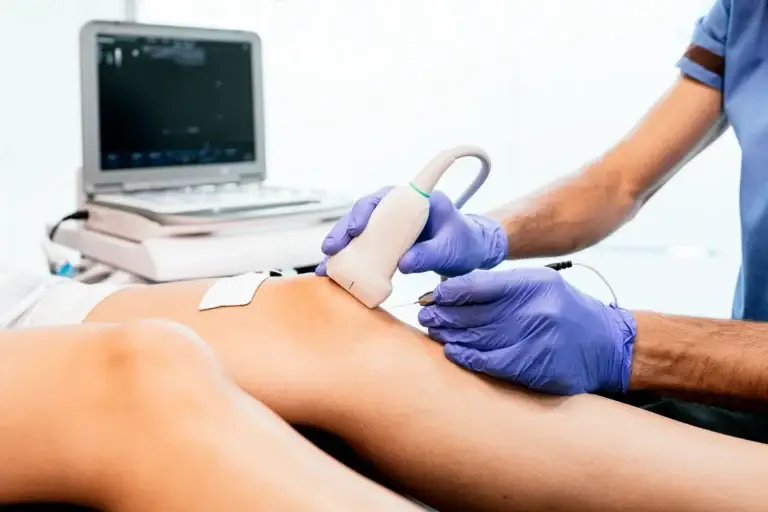
Radiation-free, real-time imaging of joints, tendons, and soft tissue to look for inflammation.

Corticosteroid, hyaluronic acid, and PRP joint injections as one part of a broader treatment plan.
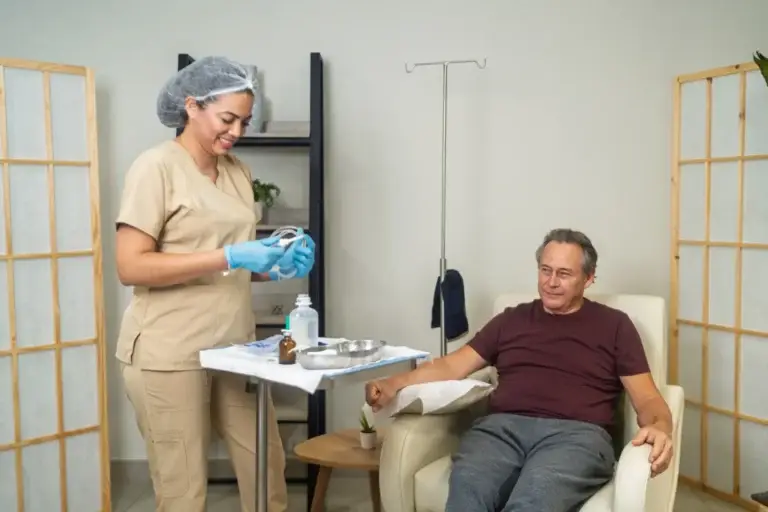
IV medications for rheumatoid arthritis, lupus, psoriatic arthritis, osteoporosis, and more.

Request an Appointment
Find the Cause of Numbness or Weakness
Request an EMG evaluation online or call (703) 361-3255.