
Seeking Rheumatology, Arthritis, and Osteoporosis Care?
EMG – Electromyography
EMG – Electromyography at Arthritis & Osteoporosis Center of Northern Virginia in Manassas, VA
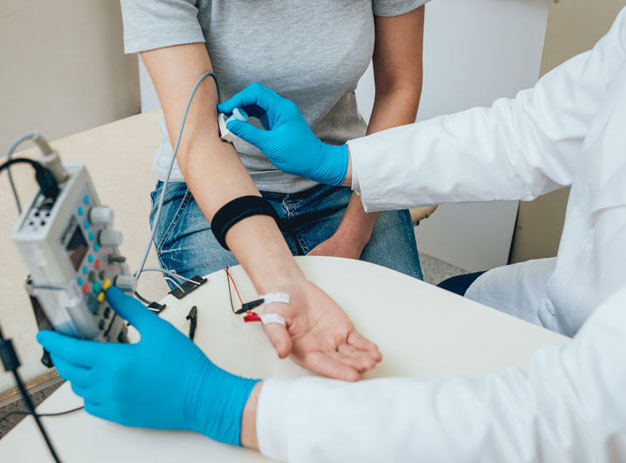
When you are dealing with symptoms like numbness, tingling, muscle weakness, or unexplained pain, it can be difficult to know whether the problem is coming from the muscles, the nerves, or both.
That is where diagnostic testing becomes important. At Arthritis & Osteoporosis Center of Northern Virginia, EMG testing in Manassas, Virginia is offered as part of comprehensive evaluation for neuromuscular and musculoskeletal concerns.
Patients in Manassas and nearby areas such as Gainesville, Bristow, Haymarket, and Centreville often look for answers when symptoms affect daily function or do not improve over time. Electromyography, or EMG, helps provide insight into how nerves and muscles are working together. The goal is to turn unclear symptoms into clearer information so the next steps in care can be more focused and effective.
What is EMG or electromyography?
Electromyography, commonly called EMG, is a diagnostic test that evaluates the health of muscles and the nerves that control them.
In simple terms:
- It measures the electrical activity of muscles
- It helps determine how well nerves are sending signals to muscles
- It can identify whether symptoms are coming from a nerve problem, a muscle problem, or both
EMG is often performed alongside a nerve conduction study (NCS), which checks how fast electrical signals move through nerves. Together, these tests provide a more complete picture of neuromuscular function. [1]
Why might someone need an EMG test?
EMG is typically recommended when there are symptoms that suggest a possible nerve or muscle issue.
Common reasons for EMG testing include:
- Numbness or tingling in the arms or legs
- Muscle weakness
- Chronic pain without a clear cause
- Suspected nerve compression, such as carpal tunnel syndrome
- Radiculopathy, which is nerve irritation coming from the spine
- Possible muscle disorders
Instead of guessing where the problem is coming from, EMG helps narrow it down and guide further evaluation or treatment. [2]
What happens during an EMG test?
EMG testing is typically done in a clinical setting and involves evaluating both nerve and muscle activity. While each practice may have its own approach, the general process is consistent.
The test usually involves:
- Small sensors or electrodes placed on the skin
- A nerve conduction portion that uses mild electrical impulses
- A muscle evaluation using a very thin needle to record activity
Patients often describe the experience as slightly uncomfortable but manageable. The test is designed to gather detailed information in a relatively short amount of time.
Arthritis & Osteoporosis Center of Northern Virginia can provide specific instructions based on your individual appointment and what part of the body is being evaluated.
What conditions can EMG help diagnose?
EMG is used to help identify a wide range of nerve and muscle conditions.
It may help evaluate or support diagnosis of:
- Carpal tunnel syndrome
- Peripheral neuropathy
- Pinched nerves in the neck or lower back
- Sciatica
- Muscle disorders, such as myopathy
- Nerve damage related to injury or chronic conditions
Because many symptoms overlap between nerve and muscle conditions, EMG helps clarify the source so care can be more targeted. [1][3]
Is EMG safe and what should you expect after?
EMG is widely used and generally considered safe when performed in a clinical setting. Like most medical tests, there can be mild and temporary side effects.
Patients may notice:
- Slight soreness in the tested muscles
- Minor bruising at needle sites
- Temporary discomfort during the test
- These effects usually resolve quickly. Serious complications are rare.
If you have concerns before or after the test, it is always a good idea to ask questions. Understanding what to expect can make the experience feel much more manageable.
Why choose Arthritis & Osteoporosis Center of Northern Virginia in Manassas, VA for EMG – Electromyography?
If you are looking for EMG testing in Manassas, Virginia, choosing a practice that focuses on musculoskeletal and rheumatologic care can be helpful. At Arthritis & Osteoporosis Center of Northern Virginia, EMG is offered as part of a broader approach to evaluating joint, muscle, and nerve-related symptoms.
The practice serves patients in Manassas, VA and surrounding communities including Gainesville, Bristow, Haymarket, Centreville, and Woodbridge, providing access to specialized care close to home.
When symptoms like numbness or weakness are affecting your daily life, having access to the right diagnostic tools matters. EMG helps provide answers, and working with a local team that understands these conditions can make the process clearer and more reassuring.
Take the First Step Toward Better Health
Whether you're seeking EMG – Electromyography, or face other mental health or addiction challenges, let Arthritis & Osteoporosis Center of Northern Virginia be your trusted partner in care.
Experience care that’s personal, proactive, and centered around you.
References:
1. Preston, D. C., & Shapiro, B. E. (2013). Electromyography and neuromuscular disorders. Elsevier.
2. Dumitru, D., Amato, A. A., & Zwarts, M. J. (2002). Electrodiagnostic medicine. Hanley & Belfus.
3. Robinson, L. R. (2018). Role of EMG in neuromuscular diagnosis. Muscle & Nerve, 57(5), 687-695.
What Our Patients Are Saying
Access The Convenient Care You Deserve
Get In Touch
Call, click, or visit — we’re here to make getting care simple & stress-free!
8100 Ashton Avenue, Suite 215 Manassas, VA 20109
Our Promise to You
To provide advanced, personalized Rheumatology, Arthritis, and Osteoporosis care with skill, compassion, and respect—every time you visit. You’re not just a condition to treat; you’re a whole person with unique goals and challenges, and we’re here to help you overcome them.
We’re committed to serving our community with integrity and heart, combining innovation with genuine connection—because true healing goes beyond checklists.


© 2026 Arthritis & Osteoporosis Center of Northern Virginia | Accessibility | Terms & Conditions | Privacy Policy | Powered by DoctoGrow