
Seeking Rheumatology, Arthritis, and Osteoporosis Care?
Bone Density Testing
Bone Density Testing at Arthritis & Osteoporosis Center of Northern Virginia in Manassas, VA
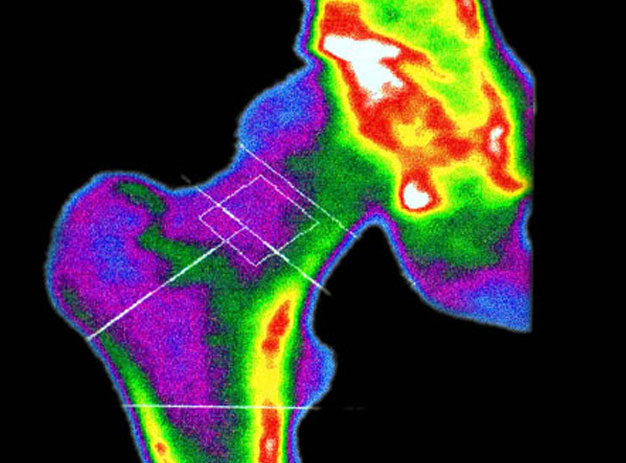
Strong bones matter more than most people realize. They help support your body, protect vital organs, and keep you moving with confidence. But bone loss can happen quietly over time, often without symptoms until a fracture occurs.
At Arthritis & Osteoporosis Center of Northern Virginia, we offer bone density testing in Manassas, Virginia as part of patient-centered care for people who want to better understand their bone health and fracture risk. Bone density testing is often used to look for osteopenia and osteoporosis, which are conditions that mean bones have become weaker than normal. In simple terms, it helps measure how solid and strong your bones are. Screening for osteoporosis is commonly recommended for women age 65 and older, and for some younger postmenopausal women who have higher fracture risk factors. [1]
For many patients in Manassas, this test can be an important step toward early detection and prevention. People from nearby communities such as Gainesville, Bristow, Centreville, and Haymarket often look for answers when they have a family history of osteoporosis, have taken steroids for inflammatory disease, or simply want clarity about their future fracture risk. At Arthritis & Osteoporosis Center of Northern Virginia, the goal is not to overwhelm you with medical jargon. It is to provide clear information, thoughtful evaluation, and support that helps you make informed decisions about your health.
What is bone density testing?
Bone density testing measures how strong your bones are by evaluating bone mineral density (BMD). The most common method is called a DEXA scan, which stands for dual energy X ray absorptiometry.
In simple terms, it checks how much calcium and other minerals are in your bones. The more minerals present, the stronger your bones tend to be.
You may hear terms like:
- T score: compares your bone density to a healthy young adult
- Z score: compares your bone density to people your same age
These scores help determine whether your bones are normal, slightly weakened, or in the range of osteoporosis.
Who should consider bone density testing?
Bone density testing is commonly recommended based on age and risk factors. While it is often associated with older adults, younger individuals may also benefit depending on their health history.
You may be a candidate for testing if you:
- Are a woman age 65 or older
- Are postmenopausal with additional risk factors
- Have had a fracture from a minor fall
- Have a family history of osteoporosis
- Take long term steroid medications
- Have rheumatoid arthritis or other autoimmune conditions
- Have low body weight or nutritional deficiencies
- Smoke or consume alcohol frequently
For patients under rheumatologic care, bone health monitoring is especially important since certain conditions and treatments can impact bone strength over time.
What should you expect during the test?
Bone density testing is simple, quick, and does not require any recovery time. Most patients are surprised at how easy the process is.
In general, the test is:
- Noninvasive, with no needles or injections
- Painless, similar to lying still for an X ray
- Low radiation, much lower than standard imaging tests
- Focused on areas like the hip and spine
You will typically lie on a table while a scanning device passes over your body. The test is designed to be comfortable and efficient.
Since every clinic may have its own process, the team at Arthritis & Osteoporosis Center of Northern Virginia can provide specific guidance before your visit.
What do the results mean?
Your bone density results help determine your level of fracture risk and whether your bones are within a healthy range.
Results are generally categorized as:
- Normal bone density
- Osteopenia, which means lower than normal bone density
- Osteoporosis, which indicates a higher risk of fractures
These results are not just numbers. They help guide conversations about prevention, monitoring, and possible next steps.
Your provider may also consider other factors such as age, medical history, and lifestyle when interpreting your results.
Why is bone density testing important for long term health?
Bone density testing is important because it helps detect problems early, often before symptoms appear. Osteoporosis is often called a silent condition because bone loss happens gradually without pain.
Early detection can help:
- Identify risk before fractures occur
- Support better long term mobility and independence
- Guide decisions about monitoring and care
- Provide peace of mind if results are normal
For patients managing arthritis or autoimmune conditions, this becomes even more important. Bone health is closely connected to overall musculoskeletal health, and monitoring it regularly can be part of a more complete care plan.
Why choose Arthritis & Osteoporosis Center of Northern Virginia in Manassas, VA for Bone Density Testing?
If you are looking for bone density testing in Manassas, Virginia, choosing a practice that focuses on both rheumatology and osteoporosis care can make a difference. At Arthritis & Osteoporosis Center of Northern Virginia, patients have access to specialized evaluation in a setting that understands the connection between joint health and bone health.
The practice serves patients in Manassas, VA and surrounding areas including Gainesville, Bristow, Haymarket, Centreville, and Woodbridge, offering convenient access to care close to home.
When it comes to bone health, clarity matters. Having a local team that can explain results in simple terms and guide you through next steps can make the entire experience less stressful and more actionable.
Take the First Step Toward Better Health
Whether you're seeking Bone Density Testing, or face other mental health or addiction challenges, let Arthritis & Osteoporosis Center of Northern Virginia be your trusted partner in care.
Experience care that’s personal, proactive, and centered around you.
References:
1. US Preventive Services Task Force. (2025). Screening for osteoporosis to prevent fractures. JAMA, 333(2), 139-147.
2. Krugh, M., & Langaker, M. (2024). Dual energy X ray absorptiometry. StatPearls Publishing.
3. Blake, G. M., & Fogelman, I. (2007). DXA and osteoporosis diagnosis. Postgraduate Medical Journal, 83(982), 509-517.
4. Humphrey, M. B., et al. (2023). ACR guideline for glucocorticoid induced osteoporosis. Arthritis & Rheumatology, 75(12), 2087-2102.
5. Bouxsein, M. L., et al. (2025). Osteoporosis overview. JAMA, 334(19), 1911-1922.
What Our Patients Are Saying
Access The Convenient Care You Deserve
Get In Touch
Call, click, or visit — we’re here to make getting care simple & stress-free!
8100 Ashton Avenue, Suite 215 Manassas, VA 20109
Our Promise to You
To provide advanced, personalized Rheumatology, Arthritis, and Osteoporosis care with skill, compassion, and respect—every time you visit. You’re not just a condition to treat; you’re a whole person with unique goals and challenges, and we’re here to help you overcome them.
We’re committed to serving our community with integrity and heart, combining innovation with genuine connection—because true healing goes beyond checklists.


© 2026 Arthritis & Osteoporosis Center of Northern Virginia | Accessibility | Terms & Conditions | Privacy Policy | Powered by DoctoGrow